Letting Go with Grace: How to Handle the Disposal of a Wedding Ring After a Broken Engagement
There is no single “correct” way to dispose of a wedding ring after a broken engagement.
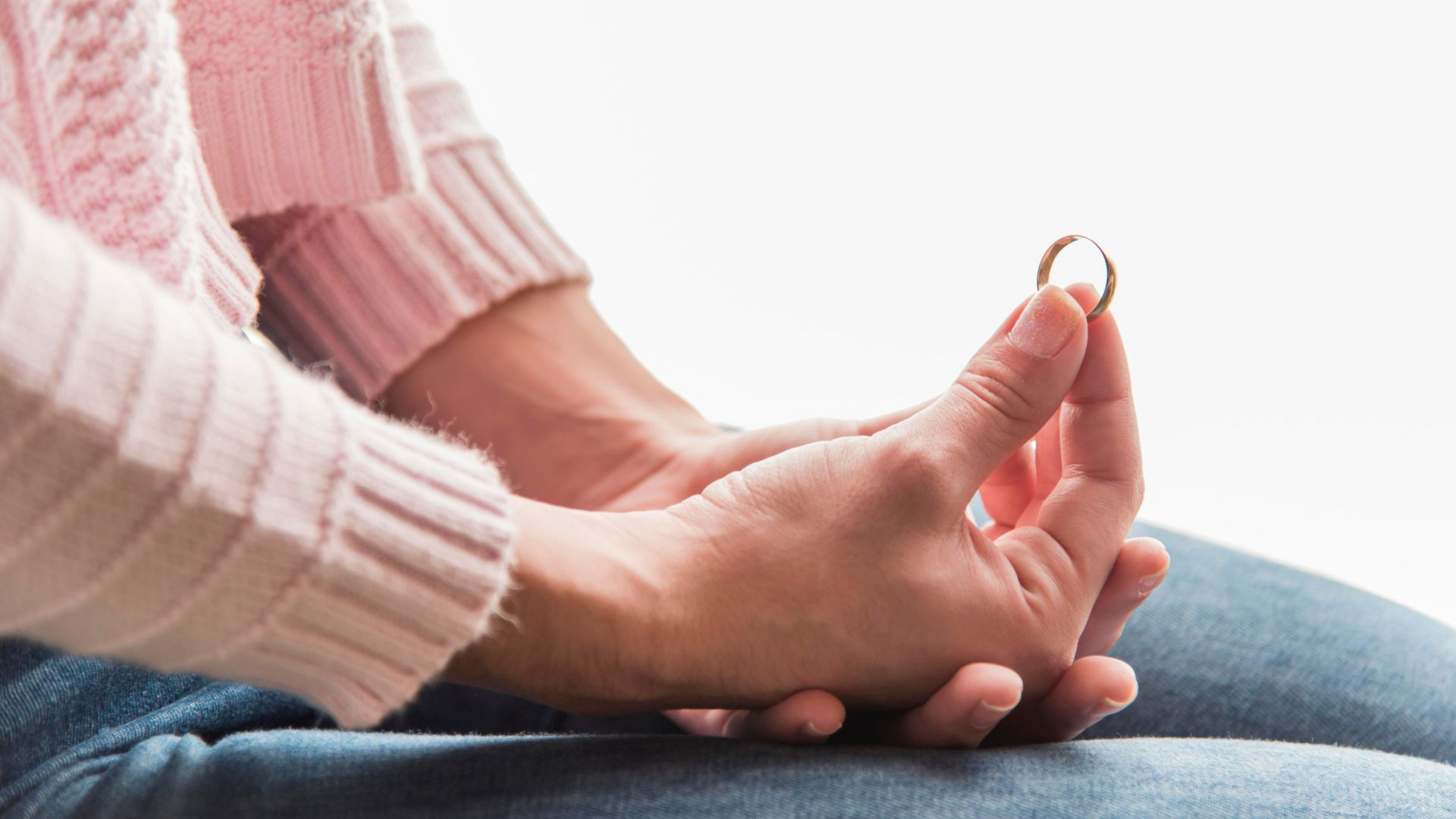
A broken engagement is a uniquely painful loss. It carries not only the grief of a relationship ending, but also the unraveling of imagined futures, shared plans, and public promises. Few objects symbolize that loss as powerfully as the engagement ring. Once a token of love and intention, it can quickly become a heavy reminder of disappointment or betrayal. Deciding what to do with that ring is not merely a financial choice—it is an emotional one, and it deserves care, intention, and respect for your own healing.
There is no single “correct” way to dispose of a wedding ring after a broken engagement. The right approach is the one that allows you to reclaim your sense of agency, dignity, and forward momentum. Whether you choose to sell it, repurpose it, or give its value new meaning through charity, the process can become a meaningful ritual of closure rather than a quiet, unresolved ache.
First: Give Yourself Permission to Pause
Before making any decisions, allow yourself time. You do not need to act immediately, and you are not obligated to keep or discard the ring on anyone else’s timeline. Some women find relief in putting the ring away for several months, letting the rawness fade before revisiting the question with clearer eyes.
Emotionally, it helps to separate the ring’s monetary value from its symbolic weight. The ring is not the relationship, nor is it a verdict on your worth, judgment, or future happiness. It is simply an object—one that you now get to redefine.
Practical Options for Disposing of the Ring
Once you feel ready, there are several practical paths you can consider:
1. Selling the Ring
Selling the ring—through a jeweler, online marketplace, or auction house—can feel empowering. It transforms something painful into a tangible resource that can support your next chapter. Be aware that resale values are often lower than retail prices, but the emotional return may outweigh the financial one.
2. Redesigning or Repurposing
Some women choose to reset the stone into a new piece of jewelry, such as a pendant or right-hand ring, symbolizing self-love or personal growth. This option is best suited for those who no longer associate the stone itself with pain, but rather with resilience.
3. Donating or Gifting the Ring Itself
In rare cases, donating the ring to a charity auction or gifting it to a cause you care deeply about can feel like the most meaningful closure—turning heartbreak into hope for someone else.
Creating a Ring Farewell Ceremony with Friends
One of the most healing approaches is to mark the moment intentionally, rather than letting it slip by unacknowledged. A ring disposal ceremony with close girlfriends and would-be bridesmaids can be a powerful act of solidarity, love, and renewal.
Here are some thoughtful ideas:
A “Release Night” Gathering
Host a small, intimate evening with trusted friends, even those friends that would have been included in the wedding party. Light candles, share wine or tea, and allow space for storytelling—both the pain and the gratitude for lessons learned. You might write a letter to your former partner or to your past self, then symbolically release it by tearing it up or safely burning it.
A Champagne Send-Off
If humor and lightness feel more healing, lean into celebration. Dress up, play music, toast to resilience, and officially announce your decision about the ring—whether selling it, donating the proceeds, or transforming it. Laughter can coexist with grief, and joy can mark survival.
A Nature-Based Ritual
Some women find comfort outdoors. A walk on the beach, a hike, or a garden gathering can provide grounding. Holding the ring one last time, you might say a few words of closure before placing it into a box to be sold or donated later—symbolizing that you are returning the future you were promised back to the universe.
Reclaiming the Bridal Party
Invite your would-be bridesmaids and reframe the relationship: not as a bridal party that never was, but as a circle of women who stood by you when it mattered. This acknowledgment often deepens bonds rather than letting the engagement’s end quietly dissolve them.
Donating the Proceeds: Turning Loss into Purpose
For many women, donating the proceeds from selling the ring brings the deepest sense of meaning. It reframes the narrative from “this ended badly” to “this still created good.”
Here are categories of charities that often resonate with jilted brides:
Women’s Empowerment and Support Organizations
Donating to shelters for women experiencing domestic violence, organizations that support single mothers, or programs focused on women’s education and leadership can feel especially fitting—redirecting resources toward independence and strength.
Mental Health and Grief Support Charities
Heartbreak is a form of grief. Supporting organizations that provide counseling, crisis intervention, or mental health access honors the emotional reality of what you endured.
Health and Medical Research Foundations
Many women choose charities connected to breast cancer research, reproductive health, or chronic illness—causes that protect futures rather than promises.
Children and Youth Charities
Donations to organizations supporting foster care, education access, or childhood nutrition can feel hopeful and forward-looking, symbolizing belief in new beginnings.
A Cause That Reflects Your Values, Not His
Importantly, choose a charity that aligns with your identity—not one connected to your former partner or shared life. This is about reclaiming your values as an individual.
Redefining the Story You Tell Yourself
Perhaps the most important part of disposing of a wedding ring after a broken engagement is the internal narrative you choose. This is not a story of failure or wasted time. It is a story of discernment, courage, and self-respect. You listened when something wasn’t right. You chose honesty over illusion.
By handling the ring with intention—whether through ceremony, charity, or celebration—you close one chapter with dignity and open space for something healthier, truer, and more aligned.
The ring may no longer represent a wedding, but it can still represent transformation. And that, too, is worth honoring.